Menu pricing isn’t just about math. It’s about psychology, perception, and how guests experience value the moment they open the menu. In today’s restaurant landscape, where price sensitivity is high and competition is everywhere, smart pricing strategy can quietly drive higher check averages without feeling pushy or transactional.
The first rule of effective menu pricing is understanding how guests read menus. Most diners don’t analyze every number. They scan. That means placement matters. High-margin items perform better when they’re positioned where the eye naturally lands, often the top right or center of a menu section. Strategic grouping also helps. When premium items sit next to slightly lower-priced options, the middle choice often feels like the safest value.
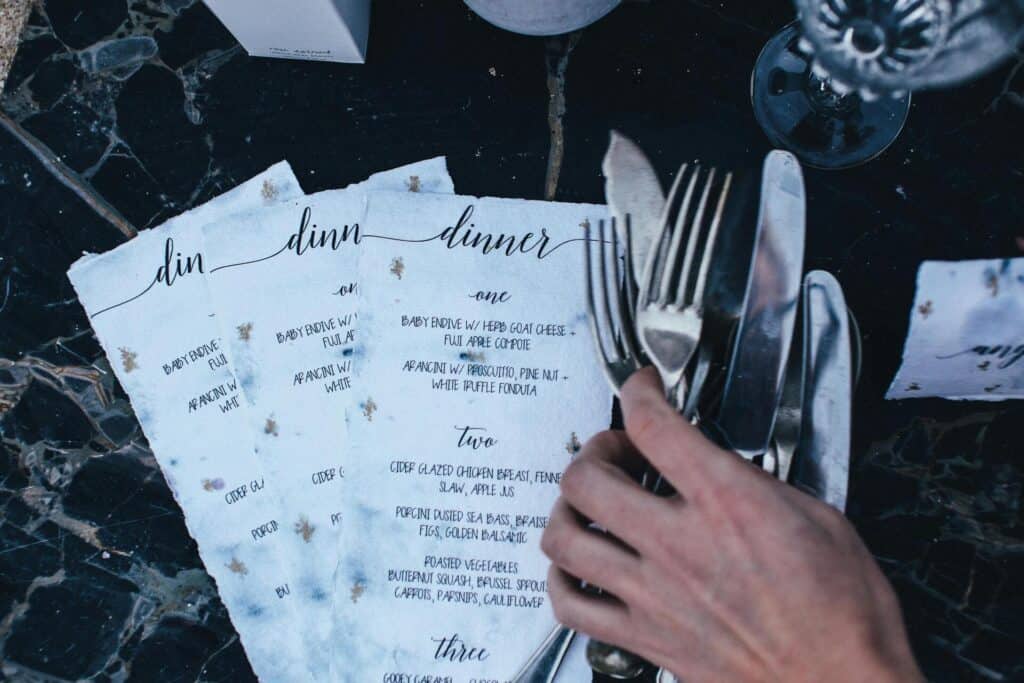
Presentation plays just as big a role as the price itself. Removing dollar signs, rounding prices, or using subtle typographic treatments can reduce price anxiety. Descriptive language also reframes cost. A dish described with sourcing, preparation, or a sensory cue feels intentional, not expensive. Guests are more willing to pay when they understand why something costs what it does.
Another overlooked pricing lever is portion logic. Offering multiple portion sizes or shareable options allows guests to self-select based on appetite and budget. This flexibility can increase total spend while making guests feel in control. Similarly, prix fixe menus and bundles simplify decision-making and anchor value, especially during peak periods or special occasions.
Menu pricing should also evolve with behavior. Sales data, menu mix reports, and seasonal performance all provide insight into what guests actually buy versus what operators assume they buy. If a dish is popular but low-margin, it may need a subtle price adjustment or a presentation upgrade. If a high-margin item underperforms, it may be a visibility issue rather than a flavor problem.
Ultimately, great menu pricing doesn’t feel like strategy to the guest. It feels intuitive. When prices align with expectations, experience, and brand positioning, guests order confidently and spend comfortably.
VIGOR’S VIEW
The strongest pricing strategies don’t shout value, they signal it. When menu pricing is thoughtfully presented, guided by data, and aligned with brand experience, it removes friction from the decision process. The result isn’t just higher checks, it’s guests who feel good about what they ordered and what they spent.