In restaurant menu design, bigger isn’t always better. While some operators believe a large menu signals variety and value, others are embracing a more minimalist approach that prioritizes clarity, focus and guest experience. The debate between minimalist menus and expansive menus isn’t just a stylistic choice. It directly affects guest decision-making, order confidence and overall restaurant performance.
THE PSYCHOLOGY OF MENU DECISION-MAKING
When guests sit down at a restaurant, they’re immediately faced with a series of decisions. What sounds good? What’s popular? What’s worth the price?
A menu with too many options can create decision fatigue. Behavioral psychology shows that when people are presented with excessive choices, they often struggle to decide or default to familiar items. In restaurant menu design, this phenomenon is known as menu overload.
A streamlined menu helps reduce friction in the decision-making process. Guests can quickly scan the options, understand the concept of the restaurant and feel confident in their order. That clarity often leads to faster ordering, higher satisfaction and stronger guest experience.
THE CASE FOR A MINIMALIST MENU
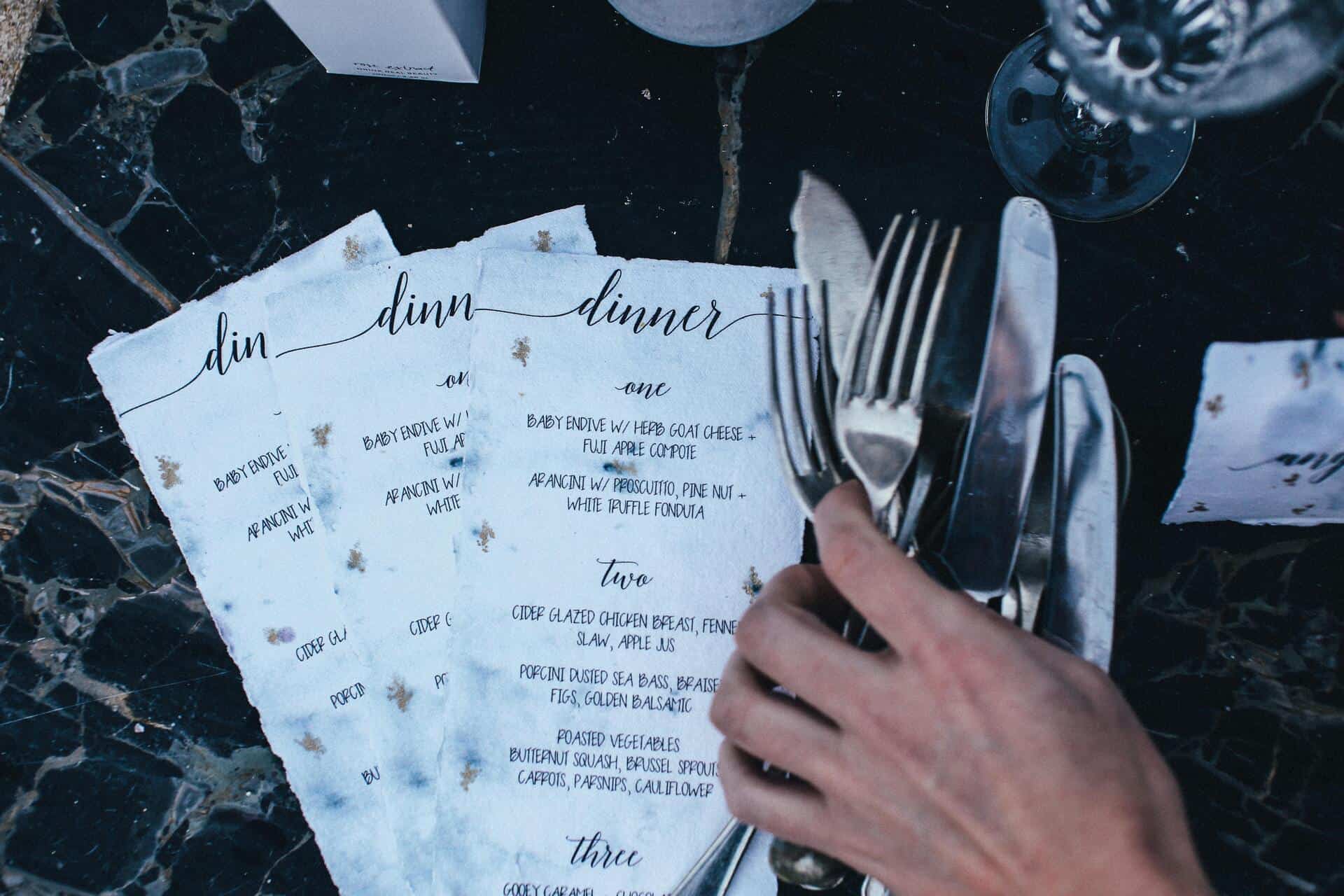
Many successful restaurants are moving toward smaller, more curated menus. A minimalist menu allows operators to highlight signature dishes, emphasize ingredient quality and tell a clearer brand story.
From an operational standpoint, a focused menu can also improve kitchen efficiency, food consistency and inventory management. Fewer menu items typically mean better execution and less waste. For guests, it signals that the restaurant specializes in what it does best.
Minimalist restaurant menus are also easier to design visually. Clean layouts, strong hierarchy and fewer competing items help guide guests toward high-margin dishes and chef favorites.
WHEN ABUNDANCE WORKS
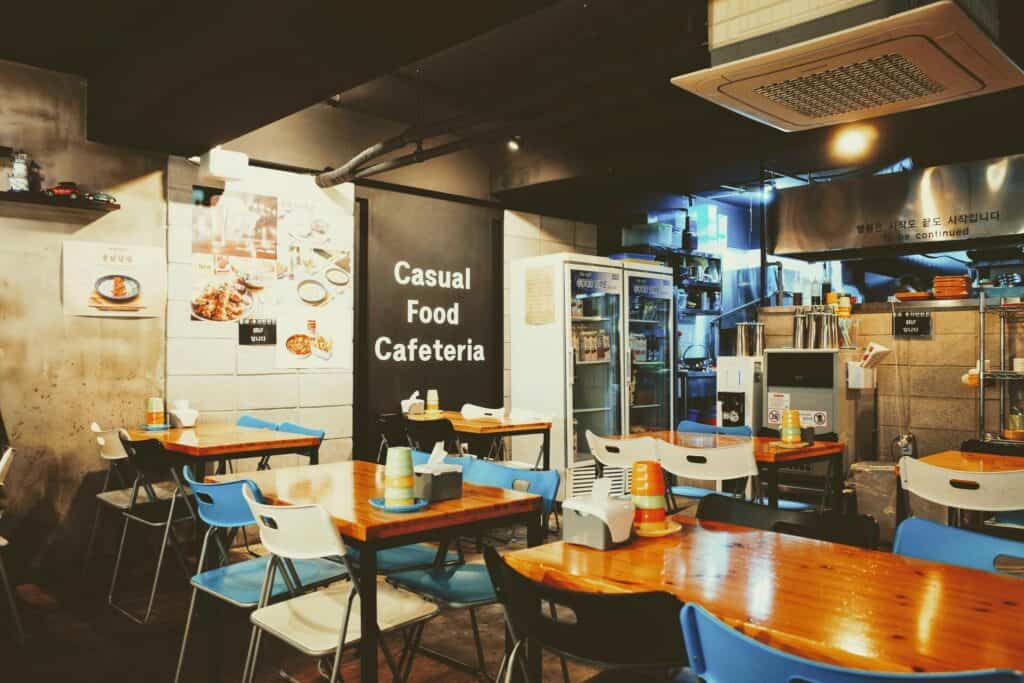
Of course, menu abundance isn’t inherently bad. Some restaurant concepts thrive on variety. Diners, family restaurants and large-format casual concepts often rely on broad menus to appeal to multiple tastes and group dining situations.
The key is organization. Large menus must be thoughtfully structured with clear sections, visual hierarchy and strategic menu engineering. Without those elements, abundance quickly becomes confusion.
FINDING THE RIGHT BALANCE
The smartest approach isn’t choosing minimalism or abundance. It’s designing a menu that matches your restaurant concept, brand positioning and guest expectations.
Operators should regularly review menu performance data to identify underperforming items, overlapping dishes and opportunities to simplify. Strategic menu design isn’t about removing choice. It’s about making choices easier.
VIGOR’S VIEW
Menu size directly affects how guests experience your restaurant. Too many options create confusion. Too few can limit appeal. The best restaurant menus balance clarity and variety. Audit your menu regularly, eliminate underperforming items and design with decision-making in mind. When guests can order confidently, satisfaction and sales follow.