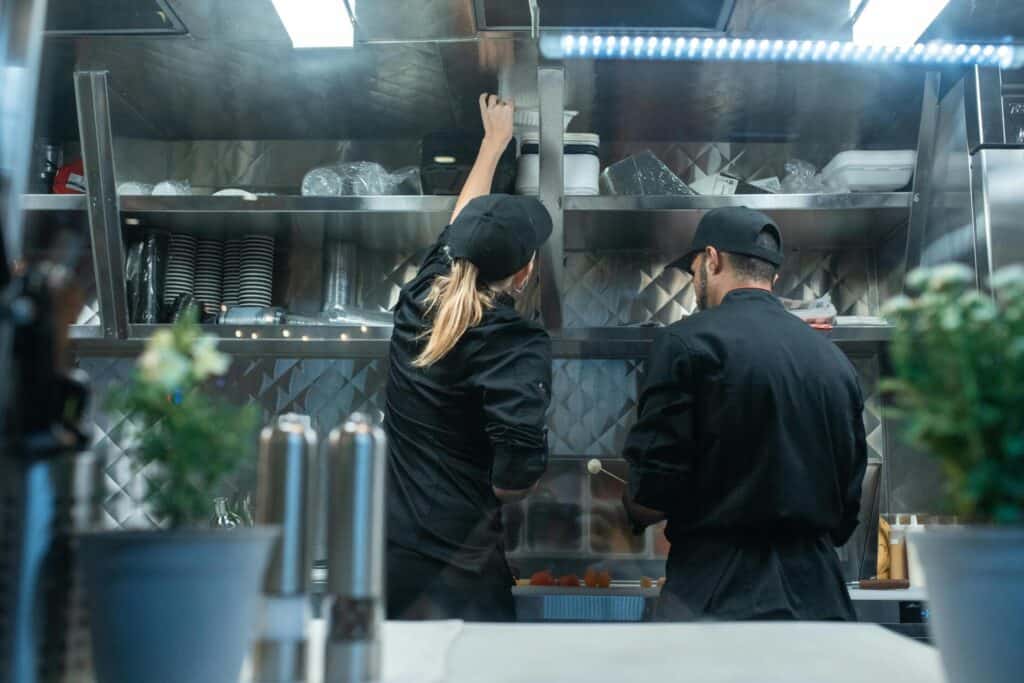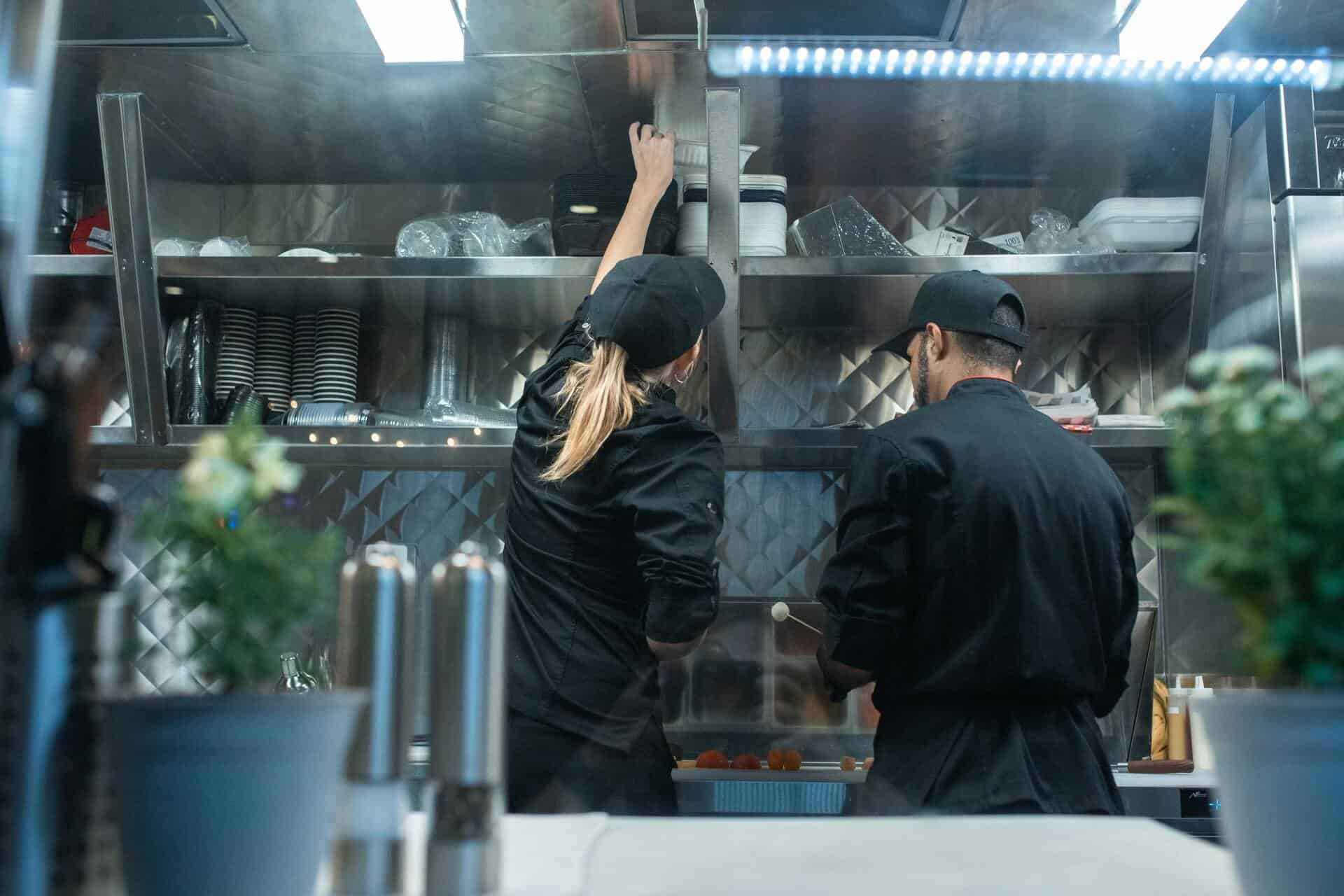
Restaurant brands spend enormous time and money perfecting menus, interiors, social media and advertising campaigns. But for guests, the brand experience often comes down to a few human interactions. A greeting at the host stand. A server’s menu knowledge. How a team member handles a mistake. That means restaurant staff training has become one of the most important parts of restaurant branding and guest experience strategy.
In today’s competitive restaurant industry, guests expect more than good food. They want consistency, hospitality and emotional connection. Strong restaurant training programs help create those moments while reinforcing brand standards across every touchpoint of the guest journey.
TRAINING SHAPES THE GUEST EXPERIENCE
Every front-of-house and back-of-house employee influences how guests perceive a restaurant brand. Staff behavior, communication and confidence all affect customer satisfaction and online reviews.
When restaurant employees understand the brand’s personality, service expectations and values, the guest experience feels more cohesive. A polished casual dining concept should feel polished in every interaction. A neighborhood restaurant built around warmth and familiarity should train employees to create welcoming, conversational experiences.
Restaurant guest experience training helps teams deliver consistency across locations, shifts and service styles. That consistency builds trust with guests and encourages repeat visits.
RESTAURANT TRAINING IMPACTS BRAND PERCEPTION
Many restaurant operators think about branding as logos, colors and advertising. Guests experience branding much differently. They experience it through people.
Restaurant employee training should include more than operational procedures. Teams should understand brand voice, hospitality expectations, upselling strategies and how to handle difficult guest situations in a way that reflects the restaurant’s identity.
Strong hospitality training also improves team confidence and morale. Employees who feel prepared tend to communicate better, solve problems faster and create smoother service experiences.
CULTURE STARTS BEHIND THE SCENES
Restaurant culture directly affects the guest journey. Teams that feel supported and connected often provide stronger hospitality and customer service.
Training programs should reinforce communication, teamwork and leadership development alongside technical skills. Restaurants with strong internal culture often see better employee retention, improved guest satisfaction and stronger online reputation management.
Ongoing restaurant staff development also matters. The best hospitality brands treat training as a continuous process rather than a one-time onboarding task.
VIGOR’S VIEW
Restaurant brands are built through human interaction as much as marketing. Staff training shapes the guest journey, influences online reputation and helps restaurants create consistent brand experiences across every shift and location. Restaurants that invest in hospitality training and team culture position themselves for stronger guest loyalty and long-term growth.
KEY QUESTIONS
Why is restaurant staff training important for the guest experience?
Restaurant staff training helps employees deliver consistent hospitality, stronger communication and service experiences that align with the restaurant’s brand and customer expectations.
How does employee training affect restaurant branding?
Guests experience restaurant brands through interactions with employees. Training helps staff understand brand voice, service standards and how to create memorable guest experiences.
What should restaurant training programs include?
Effective restaurant training programs should cover hospitality, menu knowledge, communication skills, guest recovery, teamwork and brand standards.
How does restaurant culture impact customer satisfaction?
Restaurants with strong team culture often create better service experiences, stronger employee engagement and higher guest satisfaction levels.