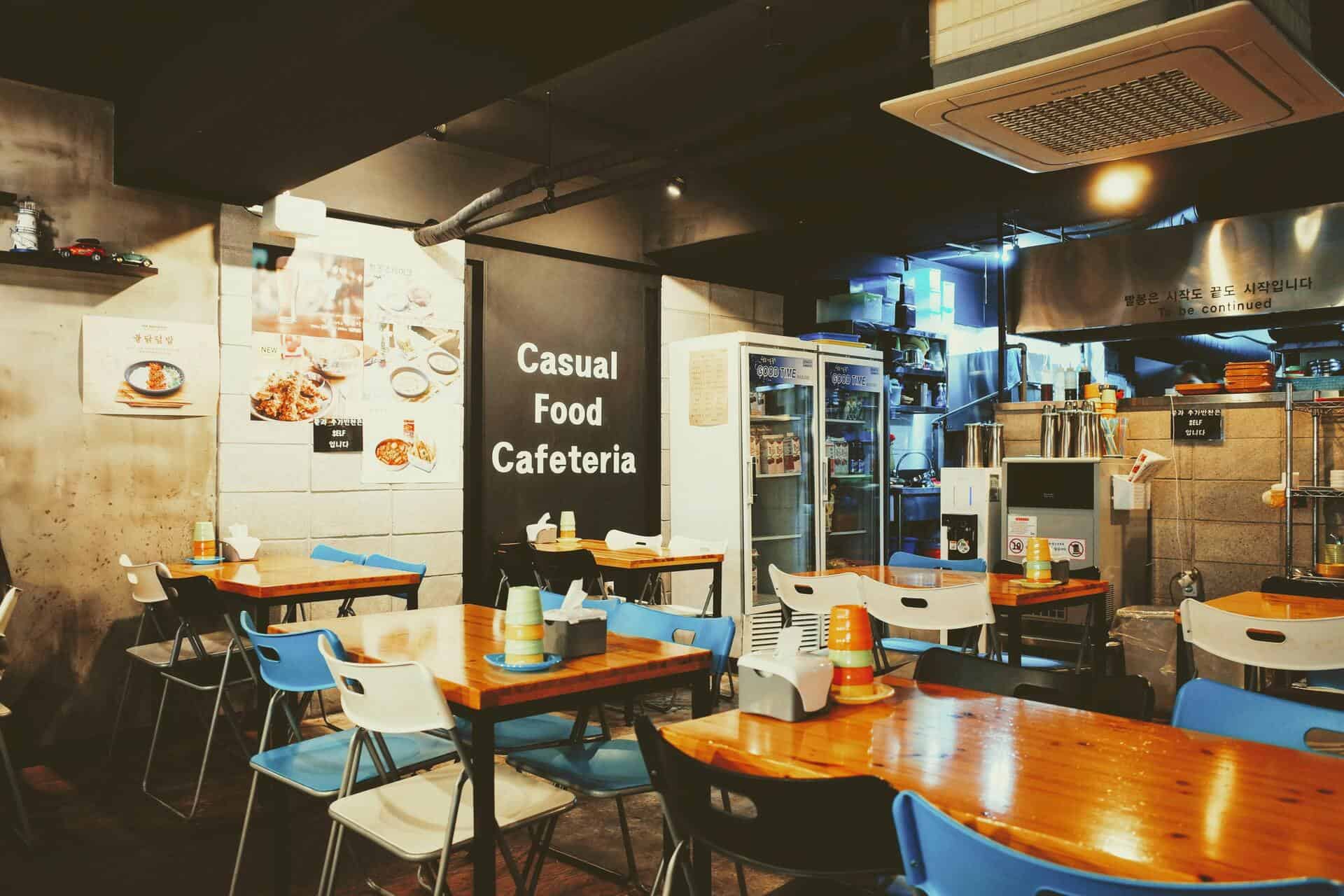
A couple walks into a new restaurant on a Saturday night. Before the server arrives, they’ve already started forming opinions.
The menu mentions “locally sourced ingredients.” The wall graphics reference a family recipe from 1952. The playlist leans toward nostalgic soul. The cocktails have names tied to neighborhood landmarks.
Without realizing it, the guests are already piecing together a story.
That’s the difference between a restaurant narrative and a simple marketing message. A message tells people what you do. A narrative helps them understand who you are and why you exist.
In today’s crowded restaurant landscape, that difference matters more than ever.
MESSAGES TELL. NARRATIVES CONNECT.
Most restaurants communicate through short marketing messages:
Fresh ingredients.
Chef-driven cuisine.
Farm-to-table.
While these phrases may be accurate, they’re rarely memorable. Guests see them everywhere. Over time, they blur together. A restaurant brand narrative goes deeper. It connects the restaurant’s concept, menu, design and guest experience into one cohesive story.
Instead of saying “we use local ingredients,” the narrative might be about a chef who grew up working on regional farms. Instead of simply advertising “craft cocktails,” the narrative might center on a bar program inspired by the neighborhood’s history.
NARRATIVE SHAPES THE GUEST EXPERIENCE
A strong restaurant narrative doesn’t just live in marketing. It shows up everywhere. It influences menu design, interior branding, social media content and even how staff describe dishes at the table.
That’s exactly what Vigor helped bring to life with Chasin’ Tails. The brand narrative leaned into the energy of a coastal seafood shack with bold personality, which carried through everything from the visual identity and menu language to the in-restaurant experience itself. The result wasn’t just a rebrand. It was a story guests could feel the moment they walked in.
When the narrative is clear, every element reinforces the same idea. Guests start to feel like they’re participating in something intentional rather than just dining somewhere new.
Restaurants with a compelling brand narrative often enjoy stronger guest loyalty and word-of-mouth marketing. People don’t just recommend the food. They share the story.
NARRATIVE CREATES DIFFERENTIATION
The restaurant industry is more competitive than ever. New concepts open every week, and social media amplifies trends quickly.
A clear narrative helps restaurants stand apart.
Two restaurants might both serve wood-fired pizza. But if one is built around the story of a chef who studied traditional baking in Naples while the other focuses on local grain partnerships and regional ingredients, the experience feels entirely different.
The food may be similar. The story makes it unique.
BUILDING A RESTAURANT BRAND STORY
A strong restaurant narrative usually begins with a few core questions: Why does this restaurant exist? What inspired the concept? What makes the experience distinct from competitors?
From there, the narrative can influence restaurant branding, menu storytelling, social media marketing and guest experience design. The goal isn’t to invent a story. It’s to clarify and amplify the authentic one already there.
VIGOR’S VIEW
Restaurants that rely on generic marketing messages blend into the background. Restaurants with a clear narrative stand out and stay memorable. Define the story behind your concept, then weave it through your menu, design and marketing. When every touchpoint reinforces the same story, your brand becomes far more than just another place to eat.